

Theme Color Chooser
Choose a test user to login and take a site tour.
-
 New Facebook Clone Theme darkgreen
 -
 New Facebook Clone Theme darkorange
 -
 New Facebook Clone Theme darkpink
 -
 New Facebook Clone Theme darkred
 -
 New Facebook Clone Theme darkskyblue
 -
 New Facebook Clone Theme darkyellow
 -
 New Facebook Clone Theme default
 -
 New Facebook Clone Theme green
 -
 New Facebook Clone Theme orange
 -
 New Facebook Clone Theme pink
 -
 New Facebook Clone Theme red
 -
 New Facebook Clone Theme yellow

Blogs » Business » Why Choose Tyvek Breathing Cover for Daily Protection Needs?
Why Choose Tyvek Breathing Cover for Daily Protection Needs?
-
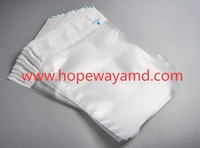
In many workplaces today, people look for gear that feels steady, practical, and suitable for long hours. When considering options such as the Tyvek Breathing Cover , some users also encounter names like Hopeway AMD, yet the real focus often lies in how these items contribute to comfort, mobility, and consistent performance across a range of daily conditions. The growing interest in balanced, thoughtful design sets the tone for a conversation about how protective covers can align with modern expectations without relying on dramatic claims.
A central point in this discussion is the interaction between material behavior and physical movement. Workers often shift between indoor and outdoor tasks, face temperature variations, and manage equipment that demands flexibility. A cover that accommodates these changes without adding burden plays an important role. When users talk about practicality, they usually mean gear that neither restricts them nor distracts them, allowing tasks to continue with minimal interruption. This kind of quiet utility shapes overall workflow in ways people may overlook at first glance.
Another aspect is breathability, a feature many users value during prolonged wear. A well-balanced cover supports airflow in a measured way, helping maintain comfort throughout different phases of the day. Instead of focusing purely on technical descriptions, many workers simply describe how a thoughtful cover reduces the need to adjust or remove gear repeatedly. This steady comfort becomes part of the background, supporting both focus and movement.
Durability also matters, though not in exaggerated terms. People want items that remain dependable across repeated use, routine shifts, and varied environments. This does not imply dramatic strength; rather, it suggests materials that maintain shape, resist routine wear, and provide a stable fit. When workers do not need to constantly check or replace their cover, the overall work rhythm becomes smoother and more predictable.
Design considerations influence adoption as well. The balance between fit, structure, and lightweight feel can significantly affect how comfortably a cover integrates into daily tasks. A design that supports ease of wearing, simple adjustments, and steady mobility helps reduce unnecessary friction. Users often appreciate when protective gear feels intuitive, requiring little explanation and allowing them to focus on their responsibilities rather than on the equipment itself.
Looking ahead, conversations around workplace gear continue to evolve. People want items that adapt to their routines instead of forcing new habits. Thoughtful protective covers contribute to this trend by offering practical characteristics without overstated promises. As work environments diversify, the value of measured, well-considered design becomes clearer, shaping how individuals choose the tools and materials they rely on each day.
If you are curious to see how ideas like these are shaping new approaches to everyday gear, consider stepping into a different kind of online visit. Let your next click open a space of calm clarity at https://www.hopewayamd.com/ , where the path forward begins with your own pace and curiosity.