

Theme Color Chooser
Choose a test user to login and take a site tour.
-
 New Facebook Clone Theme darkgreen
 -
 New Facebook Clone Theme darkorange
 -
 New Facebook Clone Theme darkpink
 -
 New Facebook Clone Theme darkred
 -
 New Facebook Clone Theme darkskyblue
 -
 New Facebook Clone Theme darkyellow
 -
 New Facebook Clone Theme default
 -
 New Facebook Clone Theme green
 -
 New Facebook Clone Theme orange
 -
 New Facebook Clone Theme pink
 -
 New Facebook Clone Theme red
 -
 New Facebook Clone Theme yellow

Blogs » Business » Can Tyvek Breathing Cover Guide Hopeway AMD Decisions
Can Tyvek Breathing Cover Guide Hopeway AMD Decisions
-
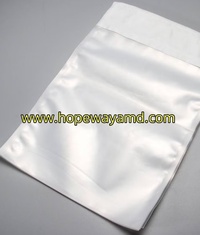
In many production settings, the role of protective layers is gaining attention, and the Tyvek Breathing Cover from Hopeway AMD is often referenced when discussing how airflow and surface defense can coexist within a single material choice. This shift reflects a broader interest in solutions that balance durability with controlled ventilation, especially in fields that deal with sensitive surfaces, storage conditions, or regulated handling processes.
Across workshops, packaging lines, and facility management routines, teams are examining how breathable barriers support more stable conditions. Rather than blocking everything, controlled permeability allows items to stay shielded while avoiding the trapped moisture that can affect materials during long-term storage. When paired with consistent handling habits, this approach helps maintain predictable conditions without relying on heavily layered wrapping systems.
Another growing focus is adaptability. Teams are moving toward materials that work across multiple environments rather than relying on sets of task-specific covers. This shift supports faster transitions, simpler procurement, and improved clarity about how a single cover behaves under different temperature or humidity ranges. It also encourages planning that focuses on long-term reliability instead of short-term fixes that require frequent replacements.
User-centered workflows also influence material decisions. Teams increasingly favor covers that streamline daily operations by being easy to apply, remove, fold, and store. Small design considerations, such as smooth edges or stable drape, can influence routine efficiency. When a material integrates seamlessly into daily use, it reduces the chance of mishandling and keeps workplaces organized, which is especially relevant in crowded or fast-paced environments.
Environmental awareness plays a role as well. While every organization manages sustainability differently, many are seeking coverings that offer strength while avoiding unnecessary bulk. Leaner solutions that still maintain protective performance support quieter operations, less waste, and more manageable disposal practices. Thoughtful use of materials also encourages teams to evaluate storage systems and minimize unnecessary layers.
Another aspect to consider is compatibility with labeling, inspection, and monitoring routines. Transparent or semi-translucent covers that maintain breathability can make it easier to identify contents, verify conditions, and perform quick checks without removing protective layers. This reduces unnecessary exposure and supports more efficient oversight across inventory cycles.
Ultimately, decision-making in this area revolves around balancing airflow, shielding, adaptability, and ease of use. As industries refine their handling and packaging standards, material choices will continue shaping how items are stored, transported, and maintained. Clear planning, steady evaluation, and an understanding of how breathable covers interact with environmental factors can support smoother operations over time.
If you are curious about how innovative protective materials support modern workflows, consider stepping into a space where each detail is designed to serve a purpose. A single click may offer the perspective you have been searching for—begin at www.hopewayamd.com .